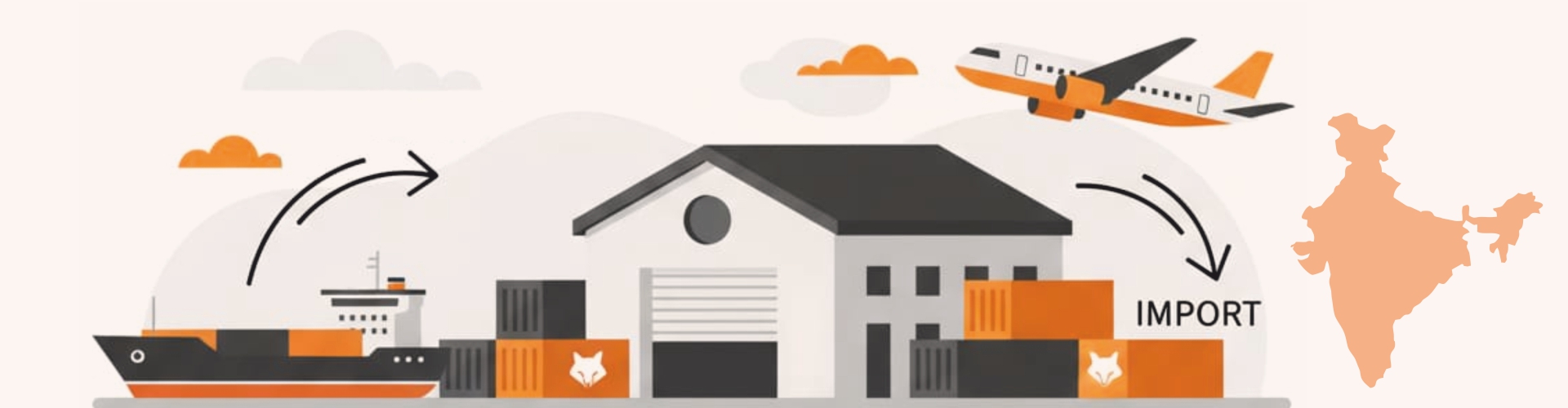
If you are running a business in India and planning to import goods from another country, don't worry, as thousands of businesses every day import goods from China, the USA, and other countries. But let’s admit, importing goods into India is a very stressful process, especially if you are doing it for the first time.
From understanding customs and regulations to documentation, there is indeed a lot to learn. This is exactly where import services come in, and that's precisely the reason many companies choose to work with professionals rather than doing it alone. With this blog, we're going to talk to you about everything how businesses import from abroad and things you'll need to know when it comes to importing into India.
What Are Import Services and Why Do Businesses Need Them?
Import service is a support system for bringing goods from abroad to India. These services take care of different parts of the import journey, from freight forwarding and customs clearance to ensuring your shipment reaches your doorstep without any hiccups.
Why do businesses use these services? Because, import customs clearance in India involves a tremendous amount of paperwork, regulatory compliance, and coordination with different authorities. One small mistake in the documentation will result in delays, penalties, or goods being held up at customs. Professional import service providers have a deep knowledge of the regulations and can negotiate these barriers successfully.
Whether it is importing raw materials to be used in the manufacture of goods, machinery for a factory, or consumer electronics to sell in a store, having the right support can save time, money, and a lot of stress.
What Businesses Need Before They Start Importing
Before businesses can import to India, there are some things they have to take care of first. The most important thing is to get their IEC registration in India, which is an import-export code. This 10-digit code issued by the DGFT (Directorate General of Foreign Trade) is something they absolutely need if they want to import and export anything.
The good news is that obtaining an IEC is fairly simple. You may apply online on the DGFT portal. It takes a few days to receive an IEC if your documents are in order. It is a one-time process and is valid for a lifetime.
You will also need to obtain GST registration and a current account in a bank that handles international transactions. Depending on your requirements, you will need an import license in India, although most products fall in the category of products that need a ‘free import.’ Some products, such as certain chemicals, food products, or pharmaceuticals, may need special permits.
The Import Process: A Simple Breakdown
The import procedures in India involve a few simple steps, such as:
Finding Your Supplier
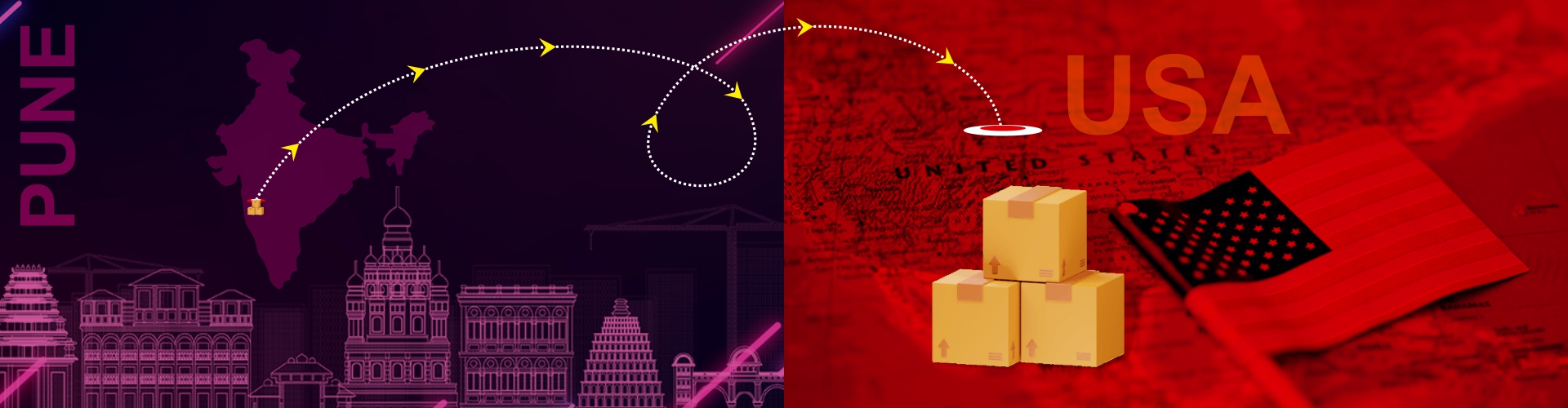
First, businesses have to decide what they need to import and find an appropriate supplier for their needs. For example, most Indian businesses import from China to India due to price competitiveness, while others import from the USA to India due to quality products.
Understanding Costs
Importers often underestimate the cost of importing goods. Other than the value of goods, one should consider the rate at which goods are being imported into India, freight charges, and other charges. For that, goods are classified on the basis of the Harmonized System of Coding (HS Code). The rate is different according to that coding. An import duty calculator India can be helpful.
Getting The Documents Ready
Importing documentation in India is vital, and usually involves a commercial invoice of import, a packing list, and a bill of lading for sea freight or an airway bill for air freight. Some products may need a certificate of origin as well.
Choosing How to Ship
Businesses can ship goods either by air freight or sea freight. Air freight is a quicker option but costlier, while sea freight comes at an economical rate for bulk importation. Each of the above options depends on the urgency, shipment size, and budget.
Clearing Customs
The shipments go through import customs clearance in India upon arrival. A Bill of Entry is filed, the goods might be examined by customs, and applicable duties/taxes are paid for. Thereafter, the goods are released.
Working with Freight Forwarding and Service Providers
The fact is, unless you are an organization with an in-house logistics department, you will need assistance from a freight forwarding India or customs house agent to get things done for you. These people are experts in handling all this complicated stuff for you!
An experienced freight forwarder will take care of your entire shipment right from your supplier's place to your warehouse in India. They book a cargo shipment and keep you updated on its status. A customs house agent will take care of your customs clearance, i.e., they will see that all your paperwork is correct and completed.
However, when choosing an import service provider, you should look for someone who has knowledge of our particular category of products. Check if they have the right connections, use advanced technology for tracking goods, and most importantly, they communicate well with you. Also, look for any hidden costs in the service they offer.
Common Challenges and How to Avoid Them
Documentation Errors - Documentation is one of the most common causes of delays in shipments. If there is a discrepancy between the invoice and packing list import information or if there is a wrong classification under HS, customs clearance can be delayed.
Customs Valuation Issues - There may also be customs valuation issues, especially in cases where the value declared is considered too low, and customs may impose duties on the goods.
Demurrage Charges - These charges apply when goods are kept at an airport or port for an extended period due to clearance delays.
All these extra charges can, however, be avoided with the help of an experienced CHA.
Is Starting an Import Business Right for You?
Are you wondering how to start importing business in India? Well, the good news is that you can do it easily. With time, international shipping to India has become much more streamlined.
You can start small, understand the process, and then move forward. You can select products for which you have a good grasp, do good research, and establish good suppliers.
Planning is the key to the success of an import business in India. Know the regulations, documentation, and join hands with reliable service providers.
Ready to Start Importing to India?
Importing into India is easy for any business with adequate knowledge and support. Although there are regulations, hurdles, and expenses, there are many businesses that successfully import into India every day. However, for new businesses, importing goods into India can be tedious, but with time and knowledge, it becomes easier.
Frequently Asked Questions
What are the top 5 imports?
Top goods imported to India include gold, electronics, pharmaceuticals, machinery, and crude oil.
Is the import of goods taxable?
Yes. Imported goods are subject to customs duty and taxes such as IGST, based on the product’s HS code and declared value.
How can a business get IEC registration?
A business can apply online for IEC registration through the DGFT portal by providing basic information about the business and bank transactions.
How much does IEC registration cost in India?
A one-time registration fee of ₹500 is charged by the government, and it is valid for a lifetime.